

Is Stress Already Affecting Your Body? 25 Warning Signs You Shouldn't Ignore
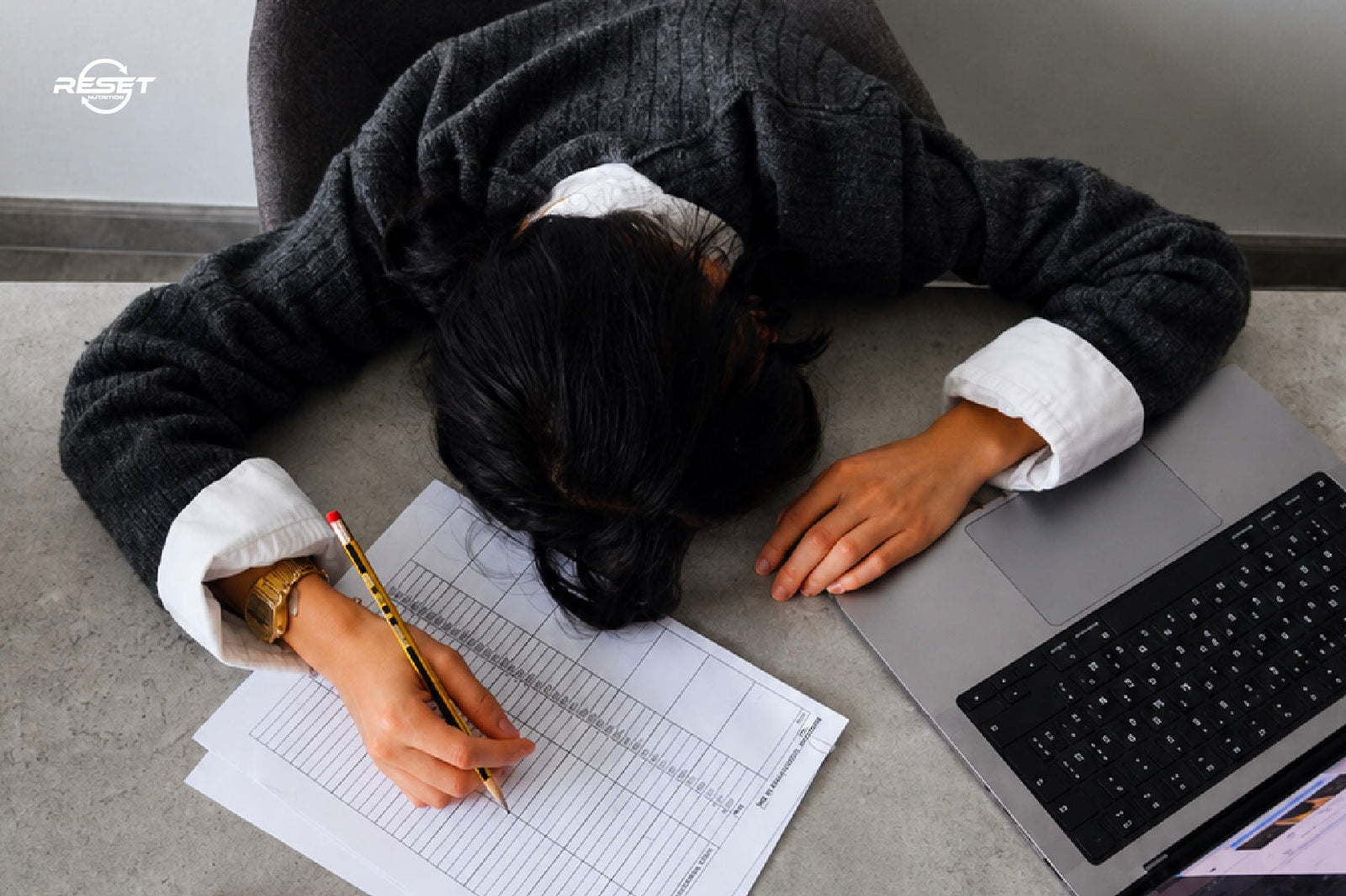

Everyone experiences stress from time to time. An important deadline, a major exam, family challenges, or an especially busy week can put your body into "fight-or-flight" mode. That's completely normal.
The problem begins when that state stops being temporary and becomes part of your everyday life.
Chronic stress doesn't just affect your mood—it also changes how your brain, hormones, digestive system, heart, and even your physical performance function. Many people believe they're simply tired, when in reality they've been living with elevated stress levels for months.
The good news is that your body usually sends warning signs long before reaching the point of burnout. Learning to recognize them can help you take action early.
🟩 Why Does Stress Affect the Body So Much?
When you perceive a threat, your body releases hormones such as cortisol and adrenaline.
These hormones are extremely useful during short-term stressful situations because they prepare your body to respond quickly. However, when they remain elevated for weeks or months, they stop being helpful and begin affecting multiple body systems.
That's why many people experience physical symptoms even when everything seems "fine."
🟩 Mental Signs That Stress Is Taking Its Toll
Your brain is often one of the first areas affected by prolonged stress.
Common signs include:
-
Difficulty concentrating
-
Feeling like your mind is constantly racing
-
Forgetting simple tasks or conversations
-
Becoming easily irritated
-
Feeling unable to disconnect from work or daily worries
If these experiences are becoming frequent, your brain is probably needing more rest than it's getting.
🟩 When Stress Affects Your Sleep
Sleeping eight hours doesn't always mean you're getting quality rest.
Stress can cause:
-
Difficulty falling asleep
-
Frequent nighttime awakenings
-
Waking up feeling just as tired
-
Vivid dreams or feeling constantly on alert
Sleep is often one of the first healthy habits disrupted when the body remains under pressure for long periods.
🟩 The Most Common Physical Signs
Many people never associate these symptoms with stress:
-
Neck and shoulder pain
-
Jaw tension
-
Teeth grinding (bruxism)
-
Frequent headaches
-
Persistent fatigue
-
Heart palpitations
-
Shallow breathing or frequent sighing
When your body stays in survival mode, your muscles rarely have the opportunity to fully relax.
🟩 Your Digestive System Speaks Too
There is a strong connection between your brain and your gut.
That's why stress can contribute to:
-
Abdominal bloating
-
Gastritis or acid reflux
-
Diarrhea
-
Constipation
-
Significant changes in appetite
If you notice digestive symptoms becoming worse during stressful periods, there's likely a connection.
🟩 Have You Noticed Changes in Your Workouts?
Physical performance often declines when stress becomes chronic.
You may notice:
-
Reduced strength
-
Slower muscle recovery
-
Less motivation to exercise
-
More frequent minor injuries
-
Relying on caffeine throughout the day while still feeling exhausted
This happens because your body prioritizes surviving stress over optimizing performance.
🟩 Signs That Stress Levels Have Become Too High
When stress persists for a long time, more significant symptoms may develop, including:
-
Hair loss
-
Tremors
-
Constant exhaustion
-
Decreased libido
-
High blood pressure
-
Episodes of crying or anger without an obvious reason
These are signs that your body has been working overtime trying to adapt.
🟩 Stress vs. Anxiety: Are They the Same?
Although they're often confused, stress and anxiety are not exactly the same.

A simple example:
Stress:
"I have too much work, I didn't sleep well, and I don't have enough time."
Anxiety:
"I've finished everything, but I still feel like something bad is about to happen."
It's important to remember that prolonged stress can eventually contribute to anxiety if the body remains in a constant state of alert.
🟩 When Should You Seek Professional Help?
If you've experienced any of the following symptoms for several weeks, it's important to consult a healthcare professional:
-
Persistent insomnia
-
Frequent heart palpitations
-
Panic attacks
-
Extreme exhaustion
-
Constant feelings of distress
-
Recurring physical symptoms with no clear cause
Asking for help doesn't mean you're weak.
It means you're listening to your body before the problem becomes more serious.
🟩 How to Start Breaking the Stress Cycle
Reducing stress doesn't mean eliminating every challenge from your life.
It means giving your body the tools it needs to respond more effectively.
You can start with simple changes like:
-
Maintaining a consistent sleep schedule
-
Taking movement breaks throughout the day
-
Reducing excessive caffeine intake
-
Exercising regularly
-
Practicing breathing exercises or meditation
-
Eating a balanced diet
Some people also choose to incorporate supplements that support stress management, relaxation, or sleep quality as part of a comprehensive wellness routine. At Reset Nutrition, you'll find options such as Stress Less, Adrenal Support, and Magnesium, formulated to complement healthy lifestyle habits and help restore balance over time.
Stress doesn't always show up as worry.
Often, it appears as fatigue, muscle tension, digestive discomfort, insomnia, or a lack of energy.
Listening to these warning signs early can make a significant difference in your overall well-being.
Remember, taking care of your mental health also means taking care of your physical health.
Sometimes, the most important change isn't doing more—it's giving your body the opportunity to recover.
At Reset Nutrition, we believe a true reset begins when you listen to your body, build sustainable habits, and choose tools that help you feel better every day.
Articulos relacionados




Leave a comment
Comments will be approved before showing up.